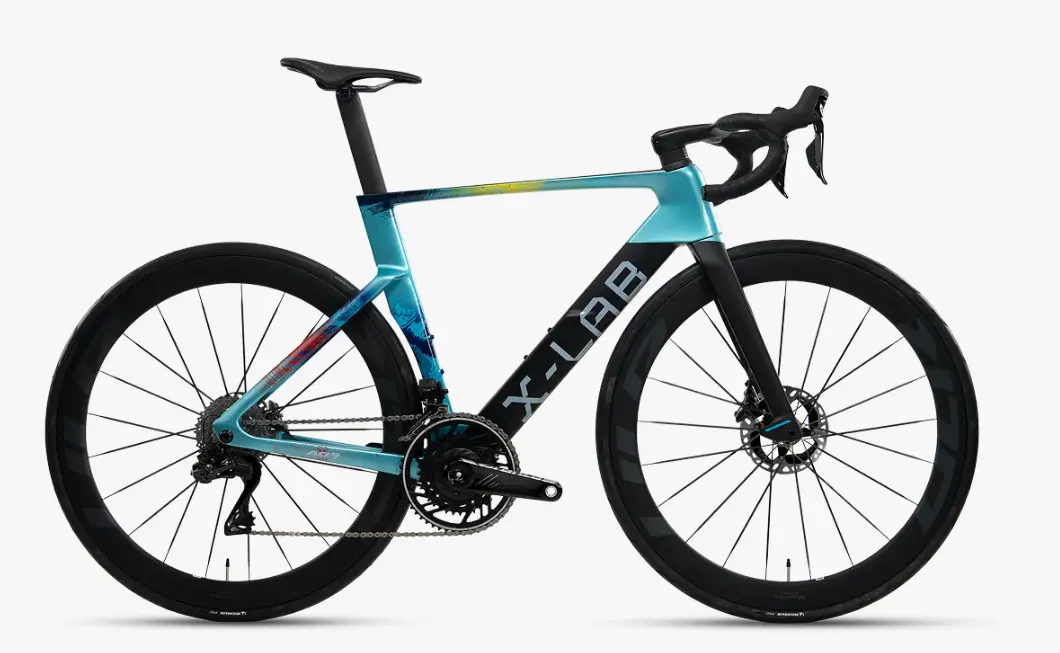
When XDS launched X-Lab globally last month and started showing up in WorldTour press coverage, a familiar complaint surfaced in cycling forums: isn’t it unfair for a contract manufacturer to start selling its own bikes? Doesn’t XDS benefit from years of R&D feedback, tooling knowledge, and production secrets developed in partnership with the Western brands it built bikes for?
It’s a reasonable question. It’s also one the cycling industry answered about forty years ago, when a Taiwanese company called Giant did exactly the same thing — and in doing so, built the largest bicycle manufacturer on earth while helping drive its most famous client into bankruptcy.
How Giant Actually Got Here
Giant was founded in 1972 in Taiwan by King Liu, but the company’s trajectory changed dramatically in 1977 when its CEO Tony Lo landed a manufacturing contract with Schwinn — at the time the dominant American bike brand, with one in every four US bikes sold carrying the Schwinn name.
The relationship grew quickly. When the UAW called a strike at Schwinn’s Chicago plant in 1980, Giant stepped in and filled the production gap. The Chicago plant never really recovered, closing in 1983. By the mid-1980s, Giant was supplying roughly two-thirds of all Schwinn bicycles — around 500,000 units a year — and Schwinn had effectively outsourced its own manufacturing core to a foreign partner.
In 1985, Giant’s leadership proposed a joint venture with Schwinn. Schwinn’s management declined, opting instead to diversify its supplier base by bringing in China Bicycle Company out of Shenzhen. Giant’s response was direct: if Schwinn didn’t want a partnership, Giant would become a competitor. It had already been selling under its own brand in Taiwan since 1981. Now it would enter the US market — with lower dealer prices and higher dealer margins than Schwinn was offering.
By 1992, Schwinn filed for bankruptcy. Giant was already selling more than 300,000 bikes in the US annually, more than half of what Schwinn was moving. The factory had outlasted the brand it was built to serve.
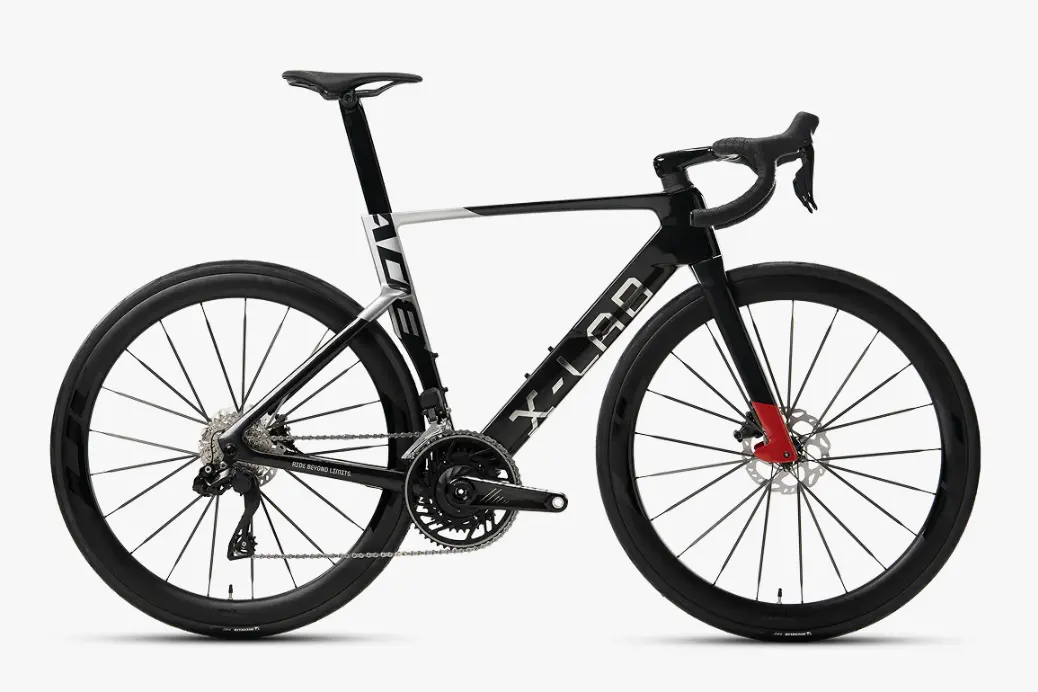
Photo: XDS / X-Lab
The Industry Never Stopped Running This Way
What happened between Giant and Schwinn isn’t a cautionary tale that the industry learned from. It’s the template the industry runs on.
Giant went on to manufacture frames for Trek, Scott, Colnago, and Specialized at various points in its history. A factory tour photographed in 2012 showed Bontrager, Scott, Colnago, and Giant products all moving down the same production line. Giant’s official policy, to this day, is to not comment on third-party manufacturing arrangements — which is a fairly transparent acknowledgment that those arrangements still exist.
Merida, another Taiwanese manufacturer, has held a 49% stake in Specialized since the early 2000s and has manufactured bikes for Specialized throughout that relationship. The brand that arguably did the most to cement the premium performance bike market in the Western consciousness is, structurally, half-owned by an Asian contract manufacturer.
Trek uses contract manufacturers in Taiwan and China for the majority of its production, with only select premium and custom models made in its Wisconsin facility. Cannondale designs in the US and builds in Asia. Most of the brands that market themselves on the strength of their engineering heritage manufacture very little of what they sell.
This isn’t a scandal. It’s how global supply chains work, and the efficiency gains are real — tighter tolerances, better material sourcing, faster tooling iteration. But it does create a peculiar dynamic where brands invest heavily in design and marketing while simultaneously transferring significant manufacturing knowledge to partners who are, or may one day become, their competitors.
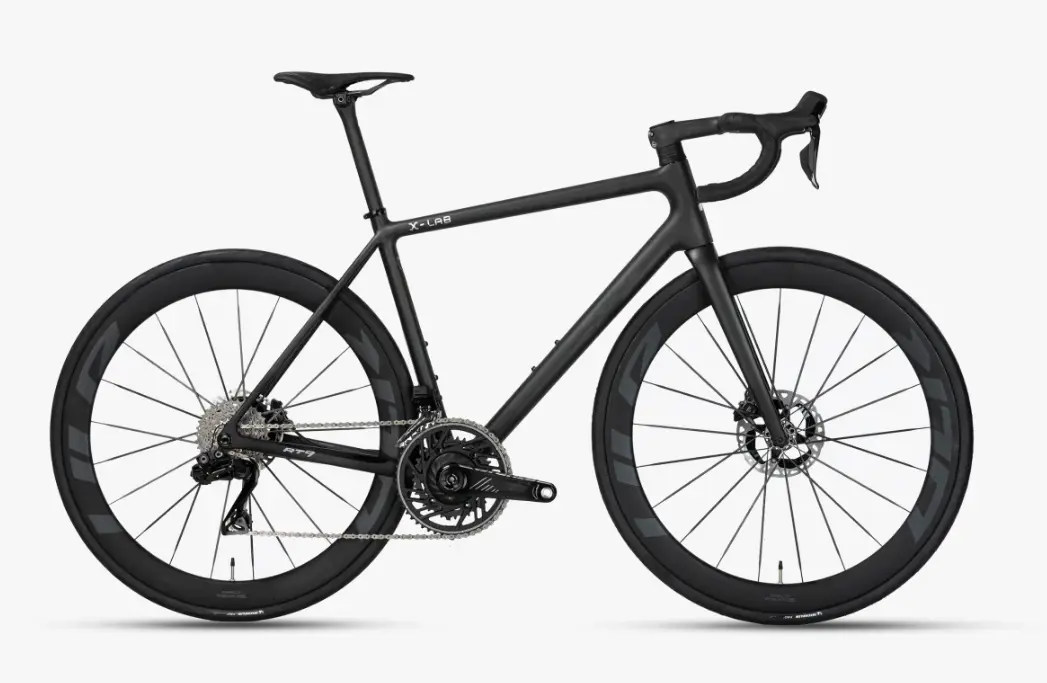
Photo: XDS / X-Lab
So What’s Actually Happening With XDS?
XDS is a somewhat different case from the classic OEM-goes-direct story, and it’s worth being precise about it. Unlike Giant in the 1980s, XDS isn’t primarily known as a contract manufacturer for Western premium brands. Its reputation is as the world’s highest-volume bicycle manufacturer for the mass market — over eight million bikes a year, mostly for the domestic Chinese market and developing markets across Asia.
The X-Lab performance brand isn’t the direct result of absorbed Western R&D secrets. It’s more accurately the result of XDS owning XDS Carbon Tech — reportedly the world’s largest carbon fiber factory — and deciding to build a performance brand on top of that manufacturing capability. The knowledge base is genuine, but it was built for volume production, not for Trek’s carbon layup schedules.
That said, the broader principle applies: a company that manufactures at the scale and sophistication XDS operates develops process knowledge, material expertise, and quality control infrastructure that is genuinely valuable and not easily replicated. When that company decides to compete directly in the premium consumer market, it arrives with structural advantages that a startup brand building from scratch simply doesn’t have.
The question of whether that’s unfair presupposes that the Western brands who benefit from those same factories have done something different or more legitimate. They haven’t. They found a cheaper, better way to manufacture their products and took it. XDS is doing the same thing in reverse — finding a more direct path to the consumer and taking it.
The Real Question Nobody Wants to Answer
Here’s the uncomfortable truth the bike industry doesn’t talk about much: the “proprietary technology” and “decades of R&D” that premium brands put at the center of their marketing has, for most of them, been developed in partnership with the same Asian factories they’d prefer you not think about. The distinction between a brand’s intellectual property and a factory’s accumulated manufacturing knowledge is blurry at best, legally convenient at worst.
Giant figured this out in the 1980s and acted on it. Merida figured it out and bought into Specialized rather than competing directly. XDS is doing it now with a performance sub-brand. The pattern is consistent: the factories eventually realize they don’t need the brands as much as the brands need them.
What’s different in 2026 is that X-Lab is doing it visibly, at the sport’s highest level, with a WorldTour team, wind tunnel testing, and a global consumer launch. Previous iterations of this story were quieter — brands competed on retail shelves while their factory relationships stayed politely undisclosed. XDS is competing in the open, which makes the conversation about it louder than the underlying dynamic actually warrants.
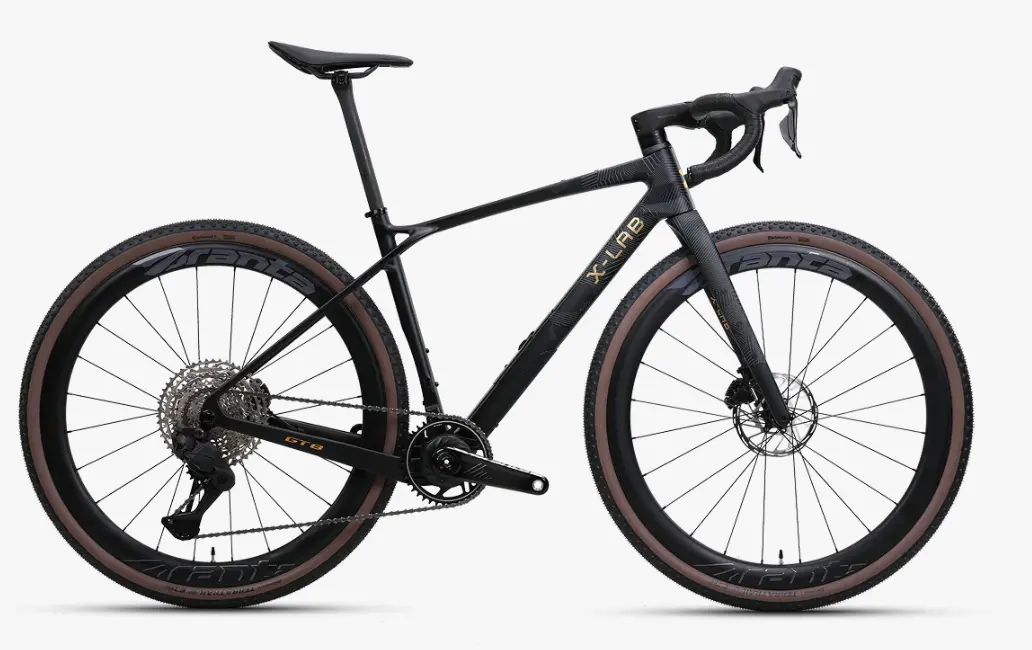
Photo: XDS / X-Lab
Whether You Should Care as a Buyer
Probably not, at least not about the ethics of it. The bike industry’s manufacturing geography has always been more complicated than brand marketing suggests, and that complexity has generally been good for consumers — more competition, better materials, lower prices at a given spec level.
What you should think about is what you’re actually getting when you buy a brand name. Some of it is genuinely design IP — geometry development, ride feel tuning, software integration, athlete feedback loops. Some of it is warranty infrastructure, dealer support, and resale value. None of it is as mysterious or proprietary as the marketing implies, and the factory making the frame knows as much about carbon fiber construction as anyone in the building that put its logo on the downtube.
XDS and X-Lab are a new face on a very old story. The factory, as always, is doing just fine.
Read our breakdown of the full X-Lab lineup — including prices, specs, and what we don’t know yet — in our XDS X-Lab launch post.